

Zijn rookvrije vuurkorven gezond?
Eerlijk over fijnstof en emissies
Rook inademen is niet gezond. Dat weet je. Fijnstof. Irriterende stoffen. Troep in je longen.
Gezonder? Ja. Gezond? Nee.
Vergeleken met een normale vuurkorf: ja, gezonder. Vergeleken met niks: nee. Hier is de eerlijke waarheid.
Rookvrije vuurkorven zijn niet gezond, wel gezonder. Hout verbranden geeft altijd emissies: CO2, fijnstof en verbrandingsgassen. Maar een rookvrije vuurkorf produceert 90%+ minder rook zodra het vuur op temperatuur is, en dus 90%+ minder fijnstof (PM2.5 en PM10). Gebruik droog, onbehandeld hardhout en zit niet in de rook. Zo verkleint je het risico; elimineren doe je het niet.
Minder rook is minder fijnstof
Rook van een vuurkorf bevat fijnstof (PM2.5 en PM10): kleine deeltjes die je inademt en die luchtwegen, ogen en keel irriteren. Een rookvrije vuurkorf vermindert die rook met 90%+ zodra het vuur op temperatuur is.
Minder rook is minder fijnstof is beter voor je longen. Simpel.
Je verbrandt nog steeds hout
Een rookvrije vuurkorf is niet zero-emissie. Hout verbranden produceert altijd CO2, fijnstof en andere verbrandingsgassen, alleen minder.
- CO2 (koolstofdioxide)
- Fijnstof (minder dan normaal, maar niet nul)
- Andere verbrandingsgassen
Bij het opstarten (de eerste 10-15 minuten) is er rook. In die fase adem je hetzelfde in als bij een normale vuurkorf. Daarna veel minder. Maar niet nul.
Gezonder dan wat?
Gezonder dan een normale vuurkorf: ja, 90%+ minder fijnstof. Gezonder dan gas of geen vuur: nee. De echte vraag is welk houtvuur het minst slecht is, en dat is rookvrij.
Je wilt buiten bij een vuur zitten. Dat is de vergelijking die telt.
Eerst willen weten of ze echt werken? Lees de eerlijke review.
Wat als je verkeerd hout gebruikt?
Hout bepaalt wat je inademt. Met behandeld hout, naaldhout, nat hout of afval is zelfs een rookvrije vuurkorf ongezond.
Goed hout (schoon brandend):
- Droog hardhout (eik, berk, es)
- Onbehandeld
- Minder dan 20% vocht
Slecht hout (ongezond):
- Behandeld hout (verf, lijm, chemicaliën)
- Naaldhout (veel hars, meer rook)
- Nat hout (meer fijnstof)
- Afval, pallets, troep
Gebruik goed hout en je minimaliseert de schade.
Is rook van een vuurkorf schadelijk?
Ja, elke rook is schadelijk. De hoeveelheid bepaalt het risico: een rookvrije vuurkorf geeft alleen opstartrook, een normale vuurkorf rookt constant.
Je elimineert het risico niet. Je verkleint het.
Wat zeggen experts?
Longartsen zeggen: minder rook is altijd beter. Geen enkele arts noemt vuurkorven gezond; de keuze is niet gezond of ongezond, maar minder ongezond.
Van minst naar meest schadelijk:
- Rookvrije vuurkorf
- Normale vuurkorf
- Open vuur op de grond
- Afval verbranden
Zo minimaliseer je de gezondheidsrisico's
Zes tips. Doe je dit, dan minimaliseer je het risico.
-
Regel 1
Gebruik droog hout
Nat hout geeft meer fijnstof. Het water moet eerst verdampen en die damp neemt deeltjes mee.
Test: minder dan 20% vocht, meet met een vochtmeter.
-
Regel 2
Kies hardhout
Eik, berk of es brandt schoner dan naaldhout, dat veel hars bevat.
Onthoud: hoe zwaarder het blok, hoe schoner het brandt.
-
Regel 3
Verbrand geen troep
Geen pallets, geen behandeld hout, geen afval. Verf en lijm geven giftige gassen.
Vuistregel: alleen hout waarvan je weet waar het vandaan komt.
-
Regel 4
Zit niet in de rook
Zelfs minimale rook vermijd je. Kijk waar de wind vandaan komt en ga aan de andere kant zitten.
Tip: verplaats je stoel, niet de vuurkorf.
-
Regel 5
Gebruik een rookvrije vuurkorf
90%+ minder emissies zodra het vuur op temperatuur is. De dubbele verbranding verbrandt de rook opnieuw.
Effect: minder fijnstof, meer warmte.
-
Regel 6
Ventilatie
Zit nooit in een afgesloten ruimte bij een vuurkorf. Buiten, met vrije luchtstroom.
Nooit: onder een gesloten overkapping of in een garage.
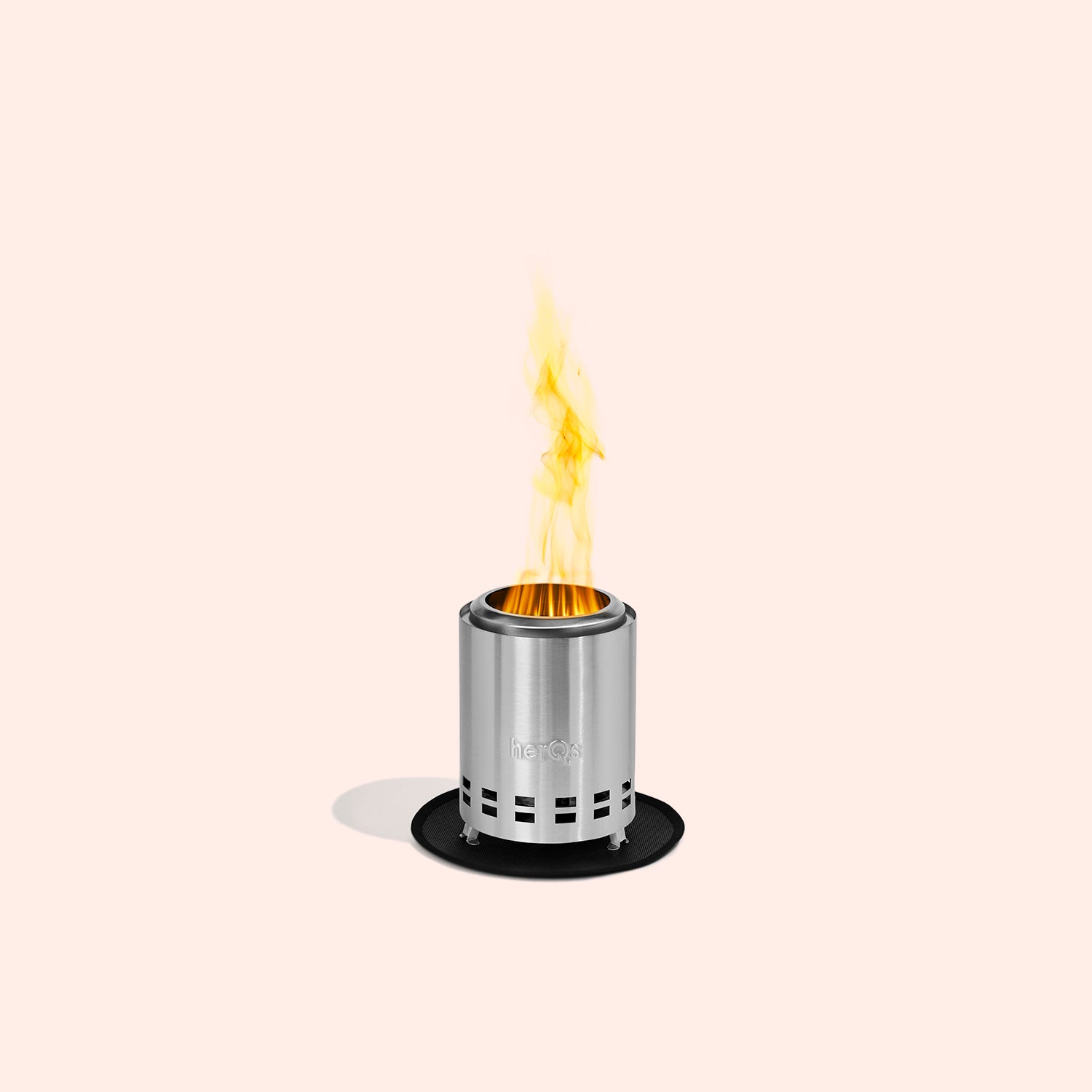
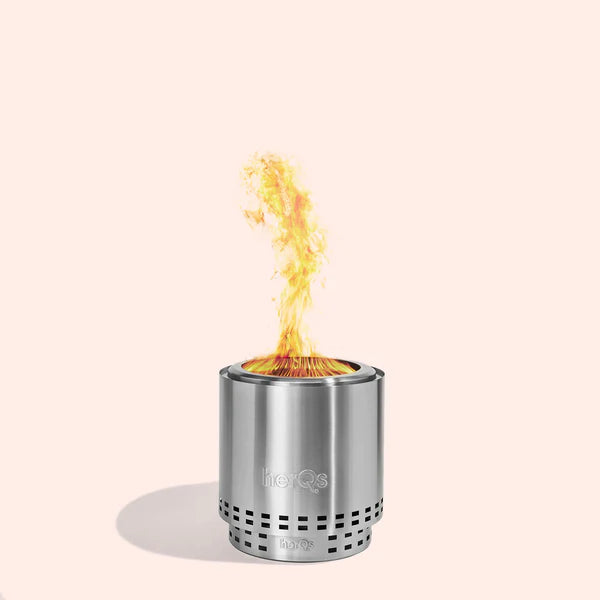
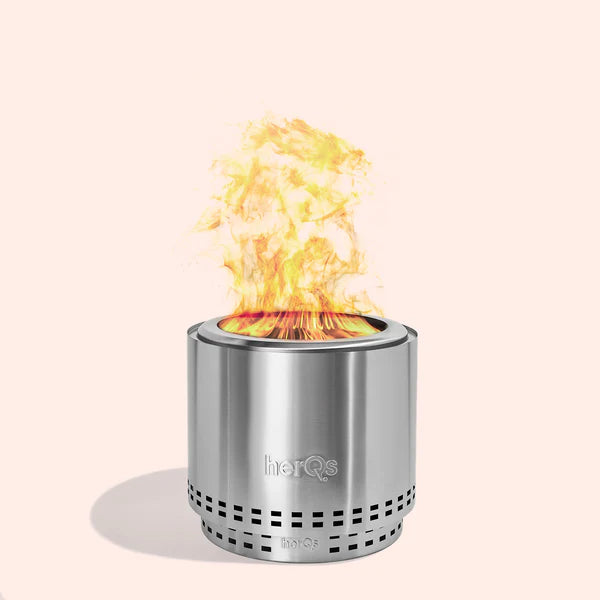
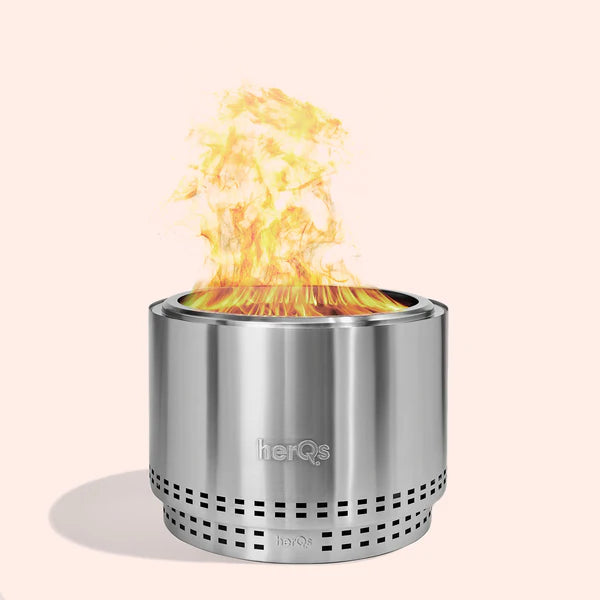
Alle modellen: RVS 304, dubbele verbranding, levenslange garantie.
Veelgestelde vragen
Hoeveel fijnstof produceert een rookvrije vuurkorf?
Ruim 90% minder dan een normale vuurkorf zodra het vuur op temperatuur is. Tijdens de eerste 10-15 minuten opstarten is de uitstoot vergelijkbaar met een gewone vuurkorf.
Is een rookvrije vuurkorf slecht voor de buren?
Veel minder dan een normale vuurkorf. Na de opstartfase is er nauwelijks rook, dus nauwelijks overlast. Dat maakt hem burenproof.
Lees hoe dat werktWelk hout is het gezondst om te stoken?
Droog, onbehandeld hardhout: eik, berk of es, met minder dan 20% vocht. Nooit behandeld hout, pallets of naaldhout.
Zo voorkom je rookMag je een rookvrije vuurkorf binnen of onder een overkapping gebruiken?
Nee. Ook een rookvrije vuurkorf produceert CO2 en verbrandingsgassen. Alleen buiten gebruiken, met vrije luchtstroom.
Gezond? Nee. Gezonder? Absoluut.
- ✓Niet gezond: hout verbranden geeft altijd CO2 en fijnstof.
- ✓Wel gezonder: 90%+ minder rook dan een normale vuurkorf.
- ✓Droog hardhout: onbehandeld, onder 20% vocht.
- ✓Rookvrije vuurkorf: dubbele verbranding, minimale opstartrook.
- ✓Niet in de rook zitten: ook minimale rook vermijd je.
Hout verbranden produceert altijd emissies. Maar 90%+ minder rook is 90%+ minder fijnstof. Dat is de slimste keuze voor wie buiten bij een vuur wil zitten.
De minst slechte keuze. Met afstand.
herQs rookloze vuurkorven: RVS 304, dubbele verbranding, levenslange garantie. 90%+ minder rook, meer warmte.
Ontdek alle modellenAlles over rookvrij stoken
![Hoe werkt een rookvrije vuurkorf? [Complete Gids 2026]](http://herqs.com/cdn/shop/articles/rookloze_vuurkorven_van_herQs_1ea797df-985a-4ccf-9572-06c0d024c076.jpg?v=1789567334&width=800)
How Does a Smokeless Fire Pit Work? [Complete Guide 2026]
De complete gids: alles over rookvrij stoken op één plek.
Lees het artikel
Do smokeless fire pits really work?
Eerlijke review, met nuance.
Lees het artikel
What happens to the smoke in a smokeless fire pit?
Stap voor stap door secondary combustion.
Lees het artikel
How do you prevent a fire pit from smoking?
Zes praktische regels voor rookvrij vuur.
Lees het artikel
How do low-smoke fire pits work?
Technische deep-dive in dubbele verbranding.
Lees het artikel
Why is my fire pit smoking?
De zes meest voorkomende problemen opgelost.
Lees het artikel“Master the fire, chill like a pro”
