

Waarom rookt mijn vuurkorf?
6 redenen en de fix
Je vuurkorf rookt. Weer. Iedereen schuift. De buren kijken geïrriteerd. En je vraagt je af: waarom doet dit ding dit?
Zes redenen.
Hier zijn de zes redenen waarom je vuurkorf rookt. En hoe je het fixt.
Een vuurkorf rookt door zes oorzaken: nat hout (80% van de gevallen), de verkeerde houtsoort, een slechte opstart, te weinig lucht, een te lage temperatuur, of simpelweg een normale vuurkorf zonder dubbele verbranding. Werk de lijst van boven naar beneden af. In 9 van de 10 gevallen is droog hout onder 20% vocht de oplossing.
De 6 redenen waarom je vuurkorf rookt
En hoe je het fixt. Van meest naar minst waarschijnlijk.
-
Regel 1
Nat hout (80% van de gevallen)
De grootste boosdoener. Hout bevat water; dat moet eerst verdampen voor het hout kan branden. Die damp zie je als dikke, witte rook. Herken nat hout: voelt zwaar, klinkt dof, groene of donkere uiteinden, sist tijdens het branden.
Fix: droog hout onder 20% vocht. Test met een vochtmeter (€10). Bewaar hout binnen of onder een afdak.
-
Regel 2
Verkeerde houtsoort
Niet elk hout brandt hetzelfde. Naaldhout (den, spar) zit vol hars, vers hout is te vochtig, behandeld hout geeft chemicaliën af, zachthout verbrandt snel en rookt.
Fix: droog hardhout: eik, berk, es of beuk, 1-2 jaar opgeslagen, onbehandeld. Groot verschil.
-
Regel 3
Slechte opstart
Grote blokken op een vuur dat nog niet heet is, te veel hout tegelijk, te weinig lucht: de temperatuur zakt, de verbranding is onvolledig, en dat is rook.
Fix: start met aanmaakhout en takjes, krijg snel hitte, bouw langzaam op, geef het vuur ruimte om te ademen.
-
Regel 4
Te weinig lucht
Vuur heeft zuurstof nodig. Liggen de blokken te dicht op elkaar? Zitten de luchtgaten vol as? Staat de korf tegen een muur? Blokkeert de wind de toevoer?
Fix: ruimte tussen de blokken, luchtgaten open, vrije doorstroming rondom de korf.
-
Regel 5
Temperatuur te laag
Hout verbrandt pas volledig bij hoge temperatuur. Een net opgestart vuur, grote natte blokken of te veel tegelijk smoren het vuur en drukken de temperatuur omlaag.
Fix: geduldig opbouwen in kleine stapjes. Pas grotere blokken als het vuur goed brandt.
-
Regel 6
Je hebt een normale vuurkorf
Zelfs met perfect droog hardhout, goede opstart en genoeg lucht blijft een normale vuurkorf roken. De techniek ontbreekt: één luchtstroom van onder, en de rook ontsnapt. Een rookvrije vuurkorf verbrandt de rook opnieuw met voorverwarmde lucht van boven.
Fix: doe je alles goed en rookt het nog? Dan is het de vuurkorf zelf.
Het verschil tussen een normale en een rookvrije vuurkorf, naast elkaar:
Wil je precies weten hoe die tweede luchtstroom werkt? Lees hoe vuurkorven met weinig rookontwikkeling werken.
Waarom rookt mijn rookvrije vuurkorf nog steeds?
Vier oorzaken: het hout is toch niet droog, het vuur heeft nog geen 10 minuten gehad, de luchtgaten zitten vol as, of de korf is beschadigd. In 9 van de 10 gevallen is het nat hout.
- Is het hout echt droog? Test met een vochtmeter. "Vorig jaar gekapt" betekent niet automatisch droog.
- Heb je het vuur tijd gegeven? De eerste 10 minuten zie je opstartrook. Dat is normaal. Wacht tot het op temperatuur is.
- Zitten de luchtgaten open? Check of de openingen rondom de bovenkant niet verstopt zitten met as.
- Is de vuurkorf beschadigd? Roestgaten of vervormingen verstoren de luchtstroom.
Fix het hout. Daarna werkt het.
Quick fix checklist
Je vuurkorf rookt. Loop deze zes punten van boven naar beneden af; 80% kans dat punt 1 het probleem is.
- Check het hout. Droog? Onder 20% vocht?
- Check de houtsoort. Hardhout of naaldhout?
- Check de opstart. Klein begonnen, snel hitte?
- Check de lucht. Ruimte tussen de blokken?
- Check de temperatuur. Is het vuur heet genoeg?
- Check de vuurkorf. Normaal of rookvrij?
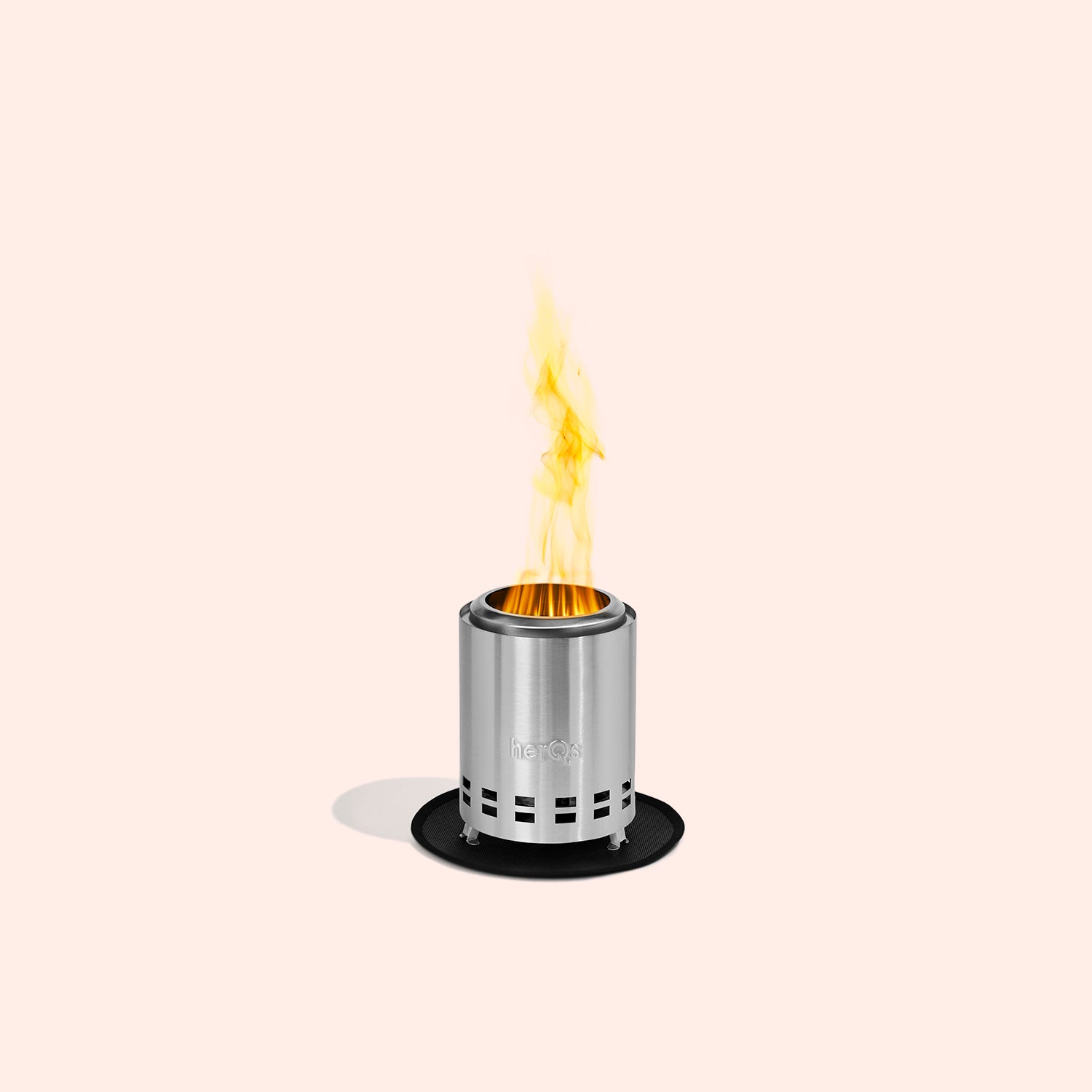
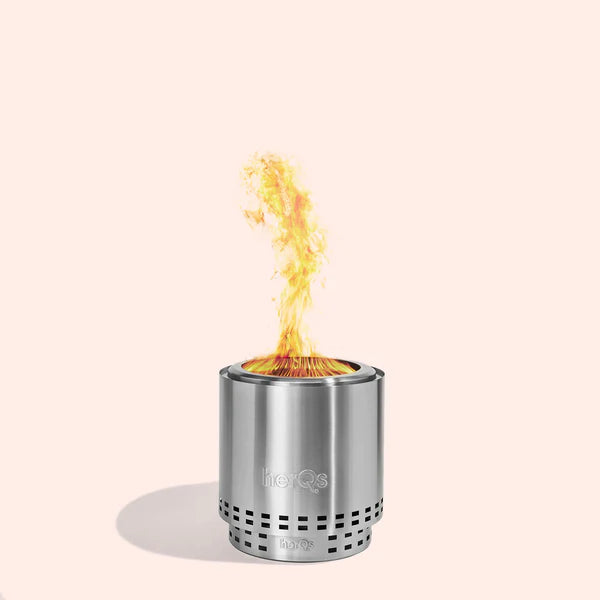
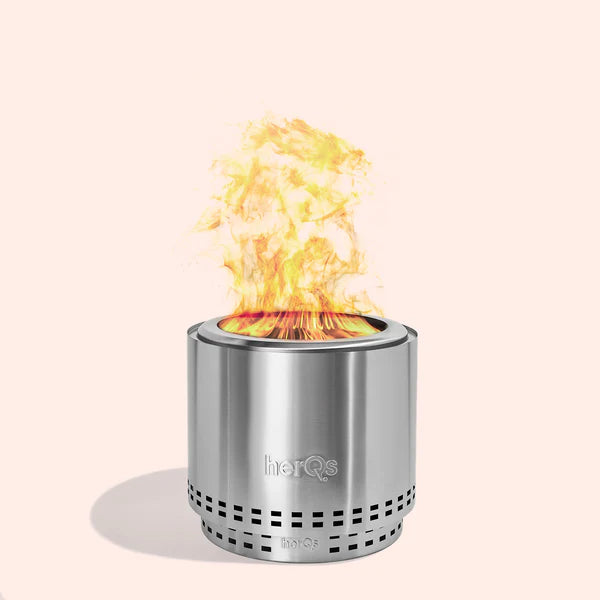
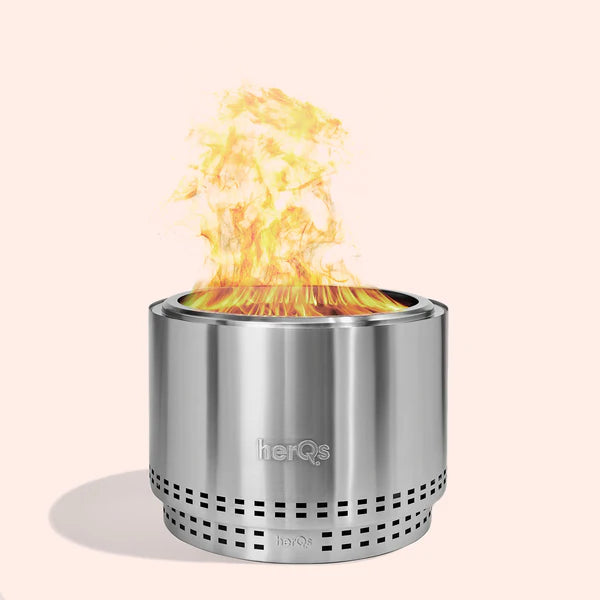
Alle modellen: RVS 304, dubbele verbranding, levenslange garantie.
Veelgestelde vragen
Waarom rookt mijn vuurkorf zo veel?
In 80% van de gevallen door nat hout. Het water moet eerst verdampen en die damp zie je als dikke witte rook. Gebruik hout onder 20% vocht en het verschil is direct zichtbaar.
Hoe weet ik of mijn hout droog genoeg is?
Droog hout voelt licht, klinkt hol en scherp als je twee blokken tegen elkaar slaat, en heeft scheurtjes aan de uiteinden. Zeker weten? Een vochtmeter kost rond de €10.
Zo voorkom je rookWaarom rookt mijn vuurkorf alleen in het begin?
Dat is opstartrook: aanmaakhout brandt met onvolledige verbranding tot het vuur op temperatuur is. Na ongeveer 10 minuten verdwijnt die rook, zeker bij een rookvrije vuurkorf.
Wat gebeurt er met de rook?Stopt een rookvrije vuurkorf alle rook?
Nee. De eerste 10 minuten zie je opstartrook, daarna verbrandt de dubbele verbranding 90%+ van de rook opnieuw. Met nat hout rookt ook een rookvrije vuurkorf.
Lees de complete gidsDe 6 redenen op een rij
- ✓1. Nat hout: 80% van de gevallen. Onder 20% vocht stoken.
- ✓2. Verkeerde houtsoort: geen naaldhout, wel droog hardhout.
- ✓3. Slechte opstart: klein beginnen, snel hitte.
- ✓4. Te weinig lucht: ruimte tussen blokken, luchtgaten open.
- ✓5. Temperatuur te laag: geduldig opbouwen.
- ✓6. Normale vuurkorf: zonder dubbele verbranding blijft hij roken.
Werk de lijst van boven naar beneden af. Meestal ben je bij punt 1 al klaar.
Reden 6 oplossen?
herQs rookloze vuurkorven: RVS 304, dubbele verbranding, levenslange garantie. Na 10 minuten alleen nog kristalheldere vlammen.
Ontdek alle modellenAlles over rookvrij stoken
![Hoe werkt een rookvrije vuurkorf? [Complete Gids 2026]](http://herqs.com/cdn/shop/articles/rookloze_vuurkorven_van_herQs_1ea797df-985a-4ccf-9572-06c0d024c076.jpg?v=1789567334&width=800)
How Does a Smokeless Fire Pit Work? [Complete Guide 2026]
De complete gids: alles over rookvrij stoken op één plek.
Lees het artikel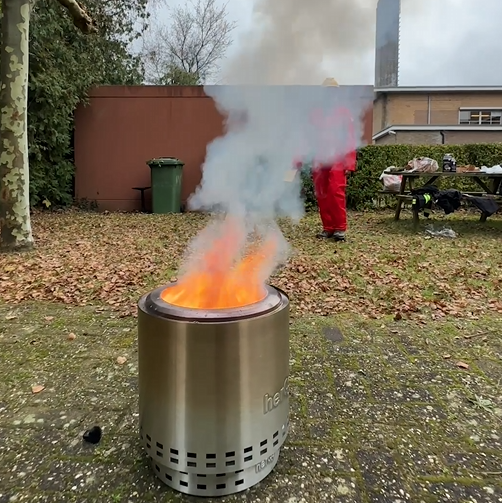
How do you prevent a fire pit from smoking?
Zes praktische regels voor rookvrij vuur.
Lees het artikel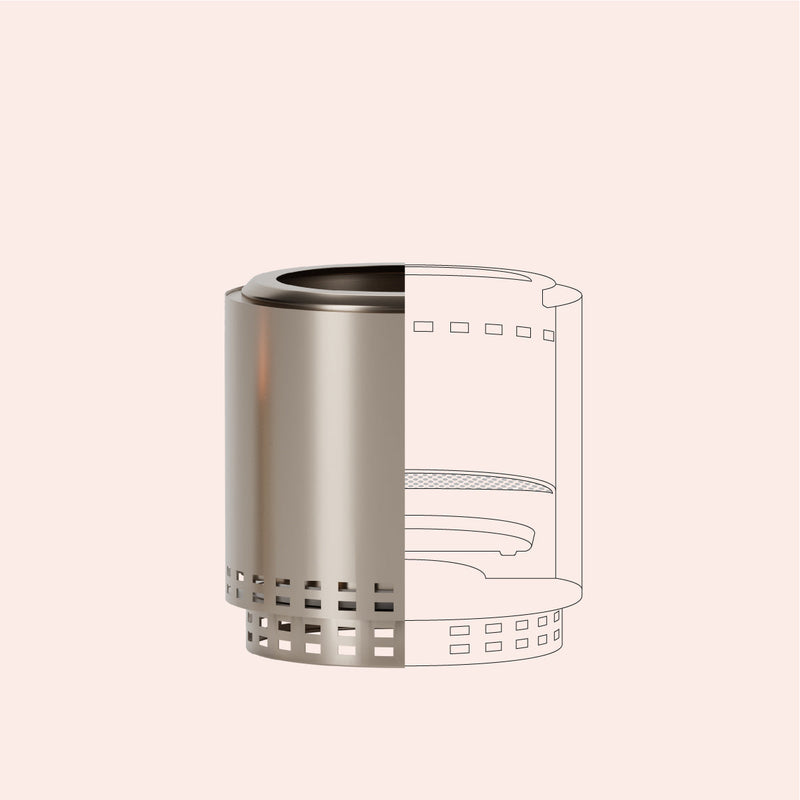
How do low-smoke fire pits work?
Technische deep-dive in dubbele verbranding.
Lees het artikel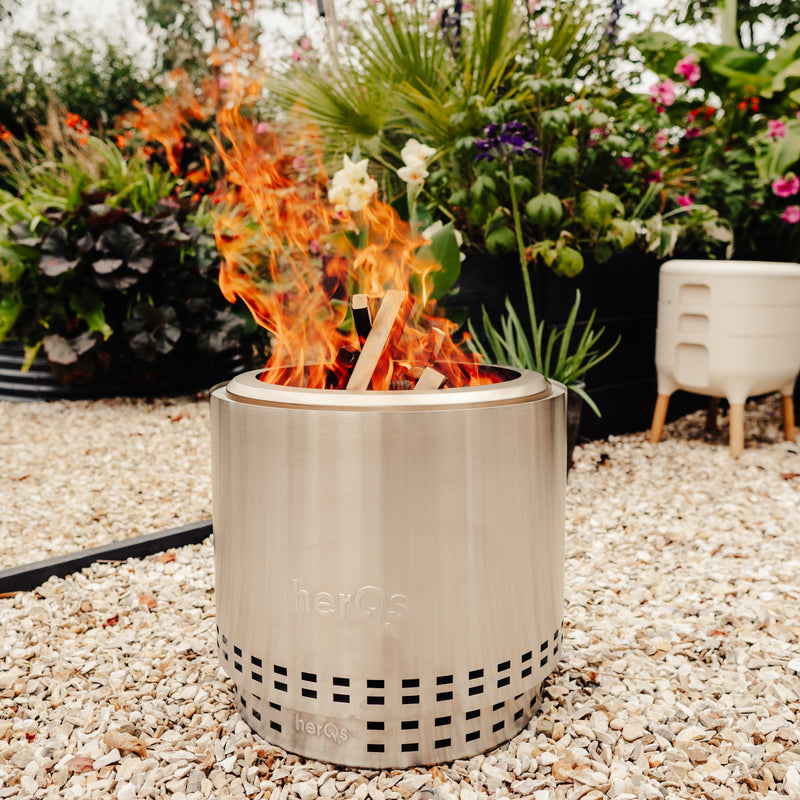
What happens to the smoke in a smokeless fire pit?
Stap voor stap door secondary combustion.
Lees het artikel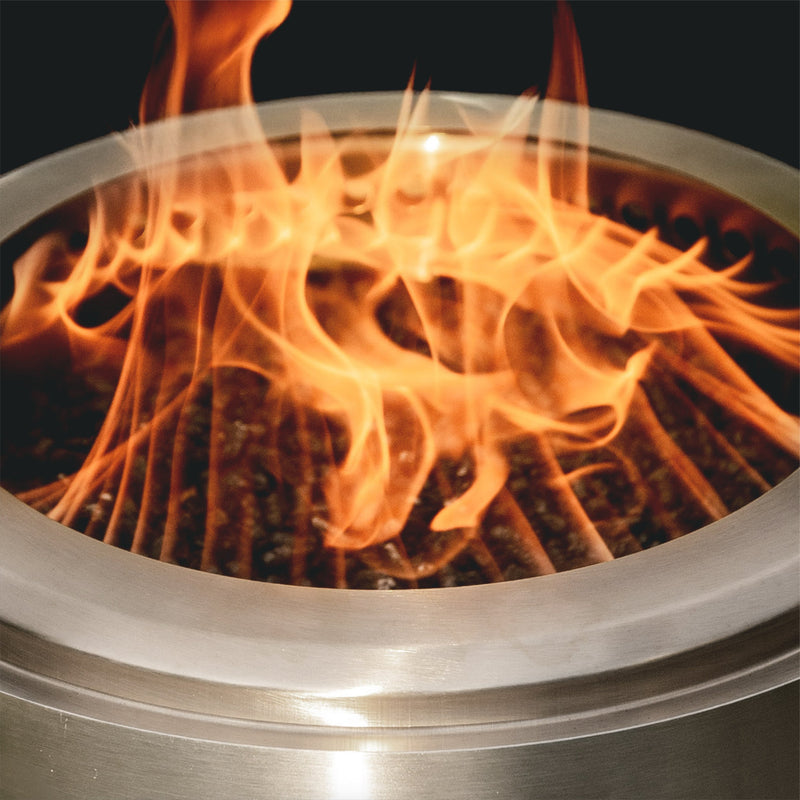
Do smokeless fire pits really work?
Eerlijke review, met nuance.
Lees het artikel
Are smokeless fire pits healthy?
Fijnstof, emissies en gezondheidsrisico's.
Lees het artikel“Master the fire, chill like a pro”
