

Hoe voorkom je dat een vuurkorf rookt?
6 gouden regels
De rook draait je kant op. Altijd jouw kant. Je schuift, iedereen schuift, en tien minuten later sta je weer op.
Dat hoeft niet.
Rook is geen pech. Rook is fysica, en fysica kun je sturen. Zes regels, en je vuurkorf rookt alleen nog de eerste tien minuten.
Een vuurkorf rookt door nat hout, verkeerde houtsoort, te weinig lucht, een koud vuur of te grote blokken. Voorkom het met zes regels: droog hout onder 20% vocht, hardhout, klein beginnen en snel hitte opbouwen, luchtgaten vrijhouden, geen grote blokken op een koud vuur en 10 minuten geduld. Met een rookvrije vuurkorf met dubbele verbranding doet de techniek de rest.
Waarom rookt een vuurkorf?
Rook is onvolledige verbranding. Alles wat het vuur te nat, te koud of te zuurstofarm maakt, veroorzaakt rook.
Je kent het. Je steekt de vuurkorf aan, je gaat zitten, en binnen vijf minuten sta je weer op. De rook draait je kant op. Altijd jouw kant.
Dat is geen pech. Dat is fysica. En fysica kun je sturen.
Vijf oorzaken komen steeds terug: nat hout, verkeerd hout, te weinig lucht, een koud vuur en te grote blokken. Elke regel hieronder haalt er een weg.
De 6 gouden regels
Zes regels. Hou je eraan en je vuurkorf rookt alleen nog de eerste tien minuten.
-
Regel 1
Droog hout, altijd
Nat hout is oorzaak nummer één. Het water moet eerst verdampen voor het hout kan branden, en die damp zie je als rook. Gebruik hout met minder dan 20% vocht: minstens twee jaar gedroogd, of ovengedroogd.
Test: sla twee blokken tegen elkaar. Hol en scherp is droog, dof is nat.
-
Regel 2
Kies hardhout
Eik, beuk, es of berk. Hardhout brandt heet en lang met weinig rook. Naaldhout (den, spar) bevat hars: knettert, vonkt en rookt. Behandeld of geverfd hout nooit.
Onthoud: hoe zwaarder het blok, hoe beter het brandt.
-
Regel 3
Klein beginnen, snel heet
Start met aanmaakhout en dunne stukken. Bouw snel hitte op. Een vuur dat traag op temperatuur komt, rookt lang. Pas als de korf heet is, leg je dikker hout.
Richtlijn: binnen 10 minuten moet je vuur hard branden.
-
Regel 4
Geef het vuur lucht
Verbranding vraagt zuurstof. Hou de luchtgaten onderin vrij van as en houd het hout los gestapeld, niet dicht op elkaar. Leeg de asbak voor je begint.
Check: zie je de vlammen trekken? Dan klopt de luchtstroom.
-
Regel 5
Geen grote blokken op een koud vuur
Een groot blok op een net startend vuur trekt de temperatuur omlaag. Het vuur smoort, de rook komt terug. Voeg hout toe in kleine porties, alleen als het vuur hard brandt.
Vuistregel: één blok per keer, wachten tot het vlam vat.
-
Regel 6
Geduld
Elke vuurkorf rookt bij het opstarten, ook de beste. Geef het tien minuten. Zodra de dubbele verbranding actief is, verdwijnt de rook vanzelf.
Timing: na een kwartier zie je alleen nog kristalheldere vlammen.
Wat als het toch rookt?
Rookt je vuur na een kwartier nog? Dan is het hout nat, ligt er te veel hout op, of krijgt het vuur te weinig lucht. Los het in die volgorde op.
- Haal hout weg. Minder brandstof, meer lucht, snel weer heet.
- Check de luchtgaten. As of houtstukken ervoor? Vrijmaken.
- Wissel het hout. Twijfel je aan de droogte? Pak een ander blok.
Werkt dat allemaal niet, dan is het bijna altijd het hout. Koop een keer ovengedroogd hout en vergelijk.
De techniek doet de rest
Een rookvrije vuurkorf met dubbele verbranding verbrandt de rook die er toch ontstaat opnieuw. Zo verdwijnt ruim 90% van de rook zodra het vuur op temperatuur is.
De zes regels voorkomen rook. De techniek ruimt op wat overblijft: voorverwarmde lucht komt via de dubbele wand van bovenaf binnen en ontsteekt de rook een tweede keer.
Regels plus techniek. Dat is het verschil tussen een rookhel en een rookparadijs.
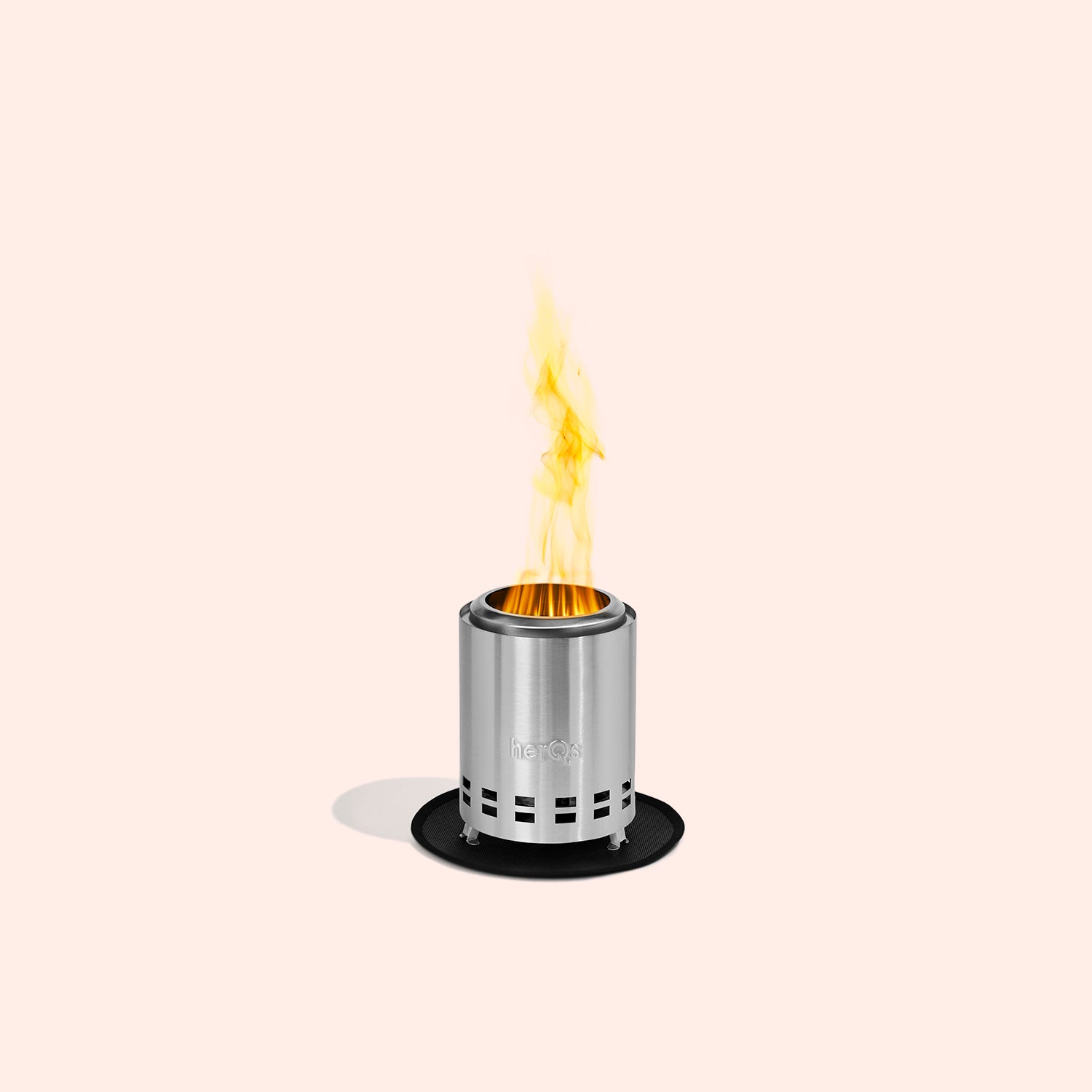
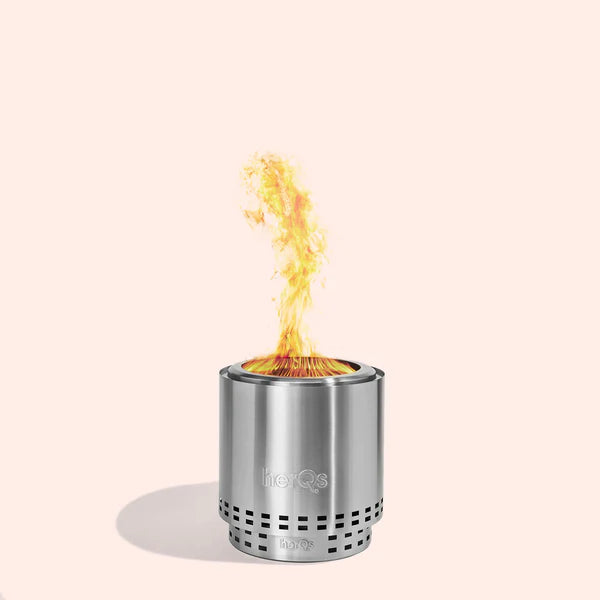
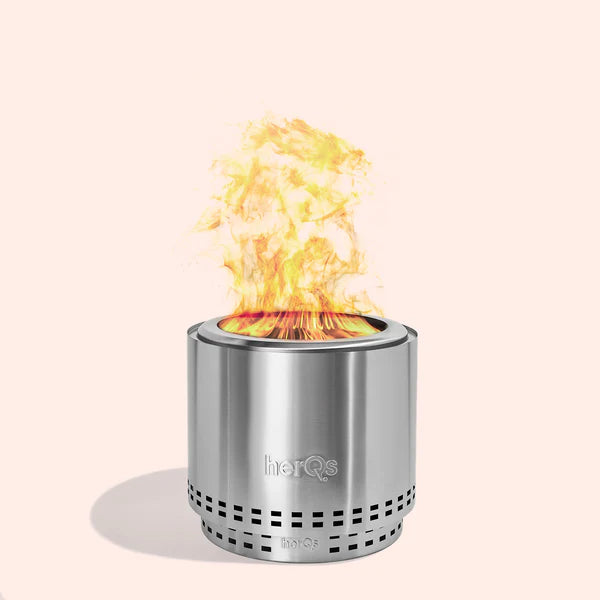
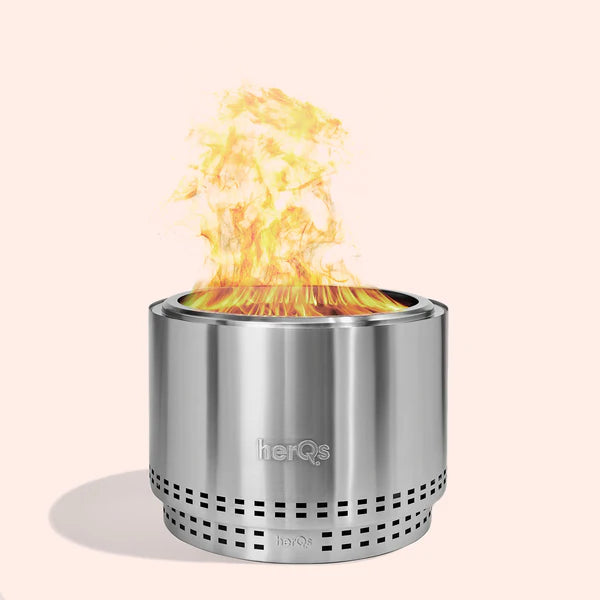
Alle modellen: RVS 304, dubbele verbranding, levenslange garantie.
Veelgestelde vragen
Welk hout rookt het minst in een vuurkorf?
Droog hardhout: eik, beuk, es of berk, met minder dan 20% vocht. Naaldhout bevat hars en rookt meer. Behandeld, geverfd of geïmpregneerd hout nooit.
Hoe lang moet hout drogen voor een vuurkorf?
Minstens twee jaar, luchtig gestapeld en afgedekt tegen regen. Ovengedroogd hout (kiln dried) is direct klaar en het zekerste tegen rook.
Waarom rookt mijn vuurkorf na een half uur nog steeds?
Dan is het hout te nat, ligt er te veel op, of zijn de luchtgaten verstopt met as. Haal hout weg, maak de gaten vrij en probeer een ander blok.
Alle oorzaken op een rijRookt een rookvrije vuurkorf ook als je alles goed doet?
Alleen bij het opstarten, de eerste 10 minuten. Daarna verbrandt de dubbele verbranding de rook opnieuw en zie je nauwelijks nog iets.
Lees hoe dat werktDe 6 gouden regels op een rij
- ✓1. Droog hout: onder 20% vocht, twee jaar gedroogd of ovengedroogd.
- ✓2. Hardhout: eik, beuk, es, berk. Geen naaldhout, nooit behandeld hout.
- ✓3. Klein beginnen: snel hitte opbouwen, dan pas dikker hout.
- ✓4. Lucht: luchtgaten vrij, hout los gestapeld, asbak leeg.
- ✓5. Geen grote blokken op koud vuur: één blok per keer.
- ✓6. Geduld: tien minuten, dan verdwijnt de rook vanzelf.
Zes regels, tien minuten geduld en een korf met dubbele verbranding. Meer is het niet.
Klaar met de rookdans?
herQs rookloze vuurkorven: RVS 304, dubbele verbranding, levenslange garantie. Jij de regels, de korf de rest.
Ontdek alle modellenAlles over rookvrij stoken
![Hoe werkt een rookvrije vuurkorf? [Complete Gids 2026]](http://herqs.com/cdn/shop/articles/rookloze_vuurkorven_van_herQs_1ea797df-985a-4ccf-9572-06c0d024c076.jpg?v=1789567334&width=800)
How Does a Smokeless Fire Pit Work? [Complete Guide 2026]
De complete gids: alles over rookvrij stoken op één plek.
Lees het artikel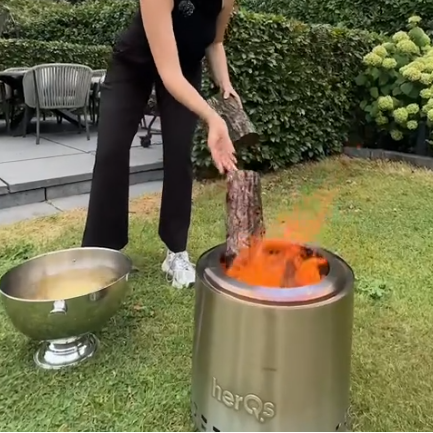
Why is my fire pit smoking?
De zes meest voorkomende problemen opgelost.
Lees het artikel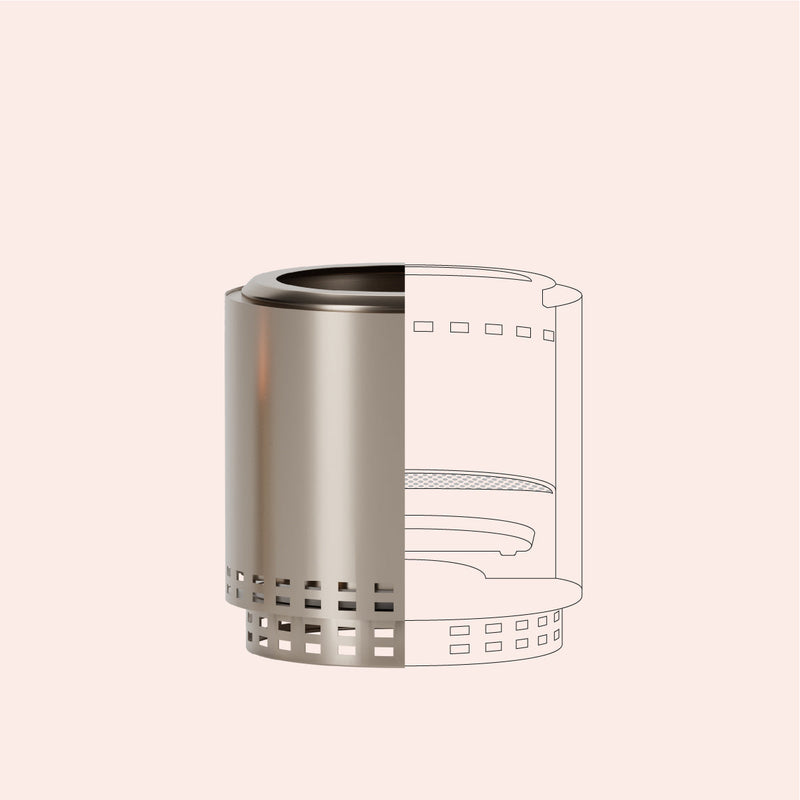
How do low-smoke fire pits work?
Technische deep-dive in dubbele verbranding.
Lees het artikel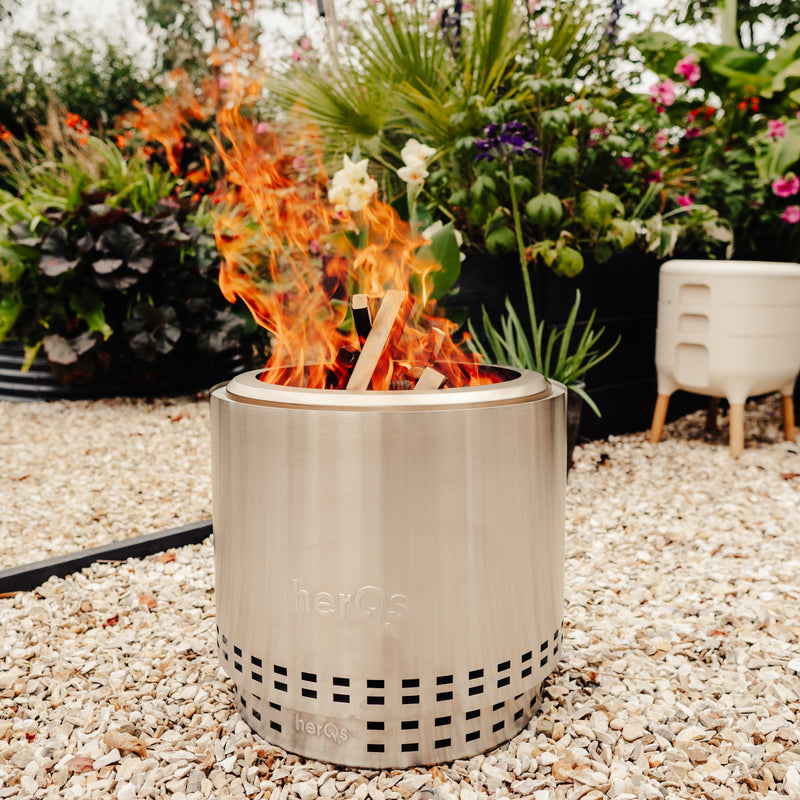
What happens to the smoke in a smokeless fire pit?
Stap voor stap door secondary combustion.
Lees het artikel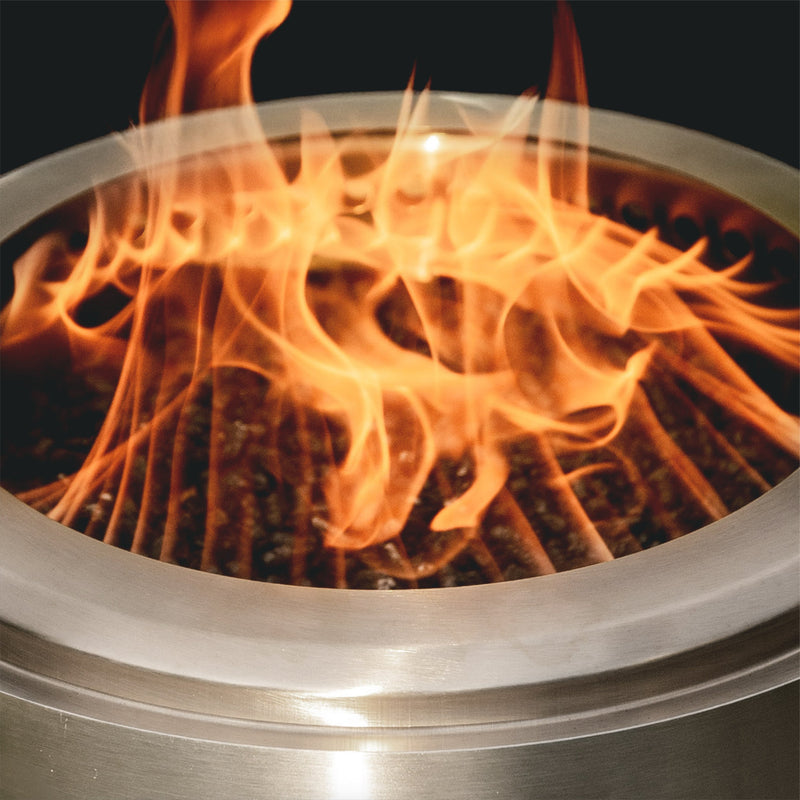
Do smokeless fire pits really work?
Eerlijke review, met nuance.
Lees het artikel
Are smokeless fire pits healthy?
Fijnstof, emissies en gezondheidsrisico's.
Lees het artikel“Master the fire, chill like a pro”
